September 05, 2021

What colors of clothing will keep you cooler in summer?

 We all know white is cool and black is hot, but what about the colors in between?

Japan is, for the most part, a very safe country. There’s very little violent crime, and few aggressive or poisonous wild animals. There is, however, a potentially serious danger that it’s important to keep in mind at this time of year: heat stroke.

Summer is always hot and humid in Japan, and the last few days have been serious scorchers. Making the situation worse is that for most people living or traveling in Japan, any excursion outside involves plenty of walking, whether you’re making the whole trip to your destination on foot or hoofing it to the station to catch a train which you’ll later get off of before walking again to wherever it is you’re going.

So unless you can just stay inside with the A.C. blasting until mid-autumn, figuring out ways to mitigate the risk of heat exhaustion is critical, and that includes dressing appropriately. Researcher Toshiaki Ichinose, from Japan’s National Institute for Environmental Studies, conducted an experiment to see what color of clothing will keep your body the coolest in the summer sun. Now, it’s pretty common knowledge that white is the coolest and black the hottest, but unless you’re a mime odds are you don’t have an entirely black-and-white wardrobe, so what’s the order of the shades in between?

Before we get to the results, a quick refresher for everyone who’s forgotten junior high science class (or, for you precocious elementary schoolers who read SoraNews24, a sneak peak of what’s to come). We perceive objects as being different colors depending on what wavelengths of light they reflect and absorb. Objects we see as white reflect almost all wavelengths of light, and their heat energy along with them. On the other end of the scale, things we see as black absorb light of just about every wavelength, and its heat too.

For the experiment Ichinose set nine mannequin torsos out in the Japanese summer sun, each clad in a different colored polo shirt, then after five minutes of exposure checked the fabrics’ surface temperatures.

▼ The shirts used in the experiment

As expected, the white shirt was the coolest, with a temperature of approximately 30 degrees Celsius (86 degrees Fahrenheit), more or less the same as the air temperature during the test, followed by yellow. The next coolest shirts, in order, were gray and red, the latter a surprise since red is generally though of as a “hot” color in terms of psychological effect.

Purple ended up right in the middle of the pack, with the next, blue, again being somewhat unexpected, since in visual design it’s considered a “cool” color. Next came green, then dark green, and, finally, black, with the last two both having surface temperatures of over 50 degrees Celsius (122 Fahrenheit), more than 50 percent hotter than the white shirt.

Though the experiment was conducted in June of 2019, the fundamental laws of science still apply, and with late-summer temperatures often hitting daytime highs of 35 degrees or more in Tokyo, it’s even more important to look for any and all ways to stay cool.

Disney character kimono rankings released


No Disney princess could measure up to the fashion sense of this classic antagonist.

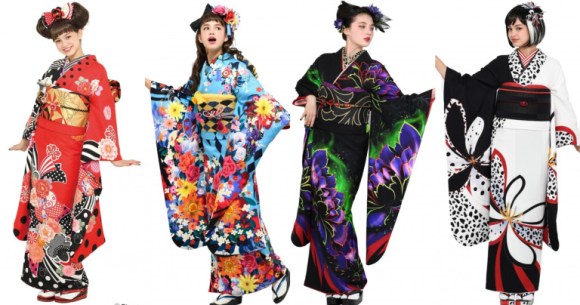
Like a lot of portrait photo studios in Japan, the Studio Alice chain offers a wide variety of rental kimono for customers who want to dress up in an elegant fashion for their picture. What’s unique, though, is that Studio Alice also has a wide variety of Disney-themed kimono.

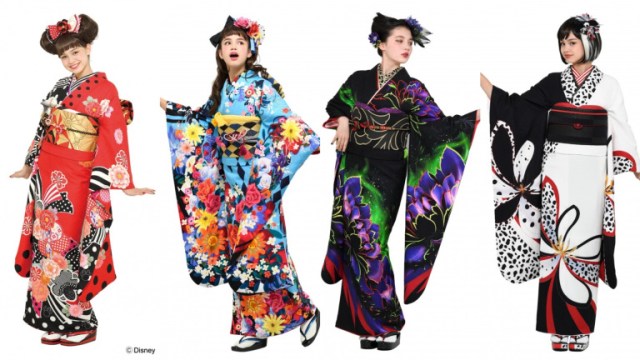
These aren’t cheap, cheesy garments, either. Rather than just slap a logo or screenshot onto the fabric and call it a day, Studio Alice has designed kimono that incorporate the storylines and visual motifs of 20 different Disney heroines and villainesses, blending the aesthetics of Disney animation and classical kimono design, all done in the furisode (“loose sleeve”) style traditionally worn by girls and young women.

Studio Alice has recently released the ranking list of the most popular Disney kimono among customers, and surprisingly it’s no plucky, pure-hearted princess who takes the top spot. Before we get there, though, let’s look at the other members of the top 10.

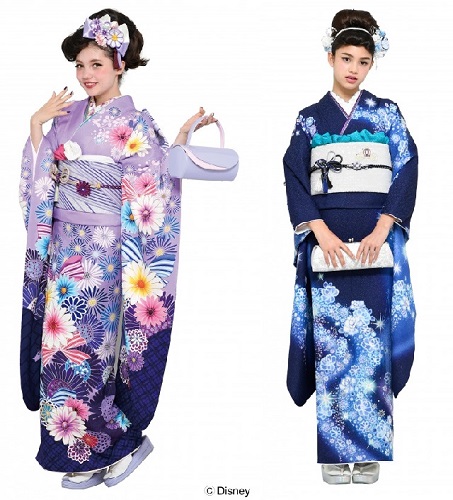
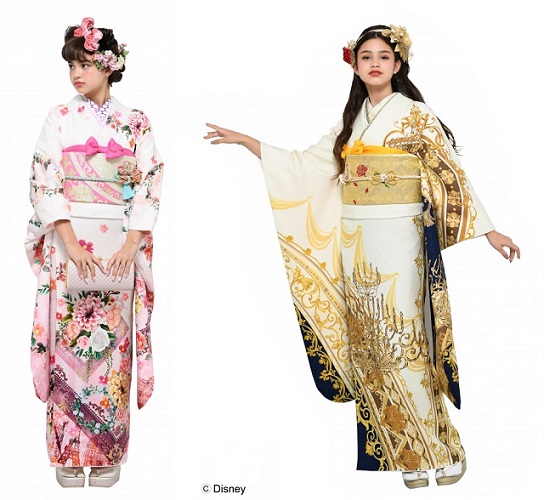
Starting off at number 10 we have the Daisy kimono (pictured on the left in the above image), followed by Cinderella at number nine. Daisy’s kimono features several bouquets’ worth of her namesake flower on a field of lavender similar to the clothing she’s often depicted wearing, while Cinderella’s shining floral print is evocative of the glass of her slippers.

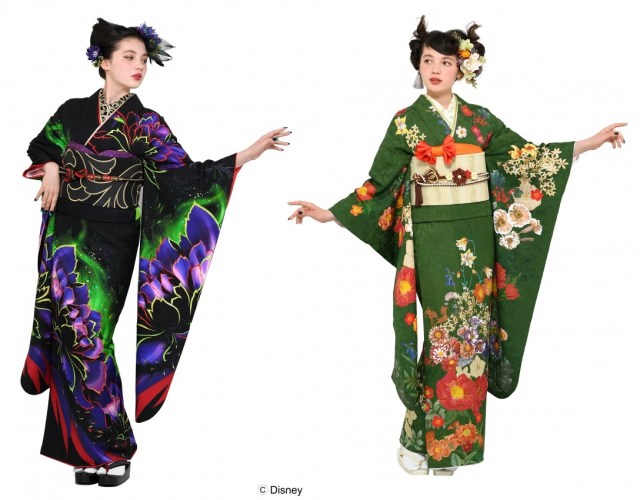
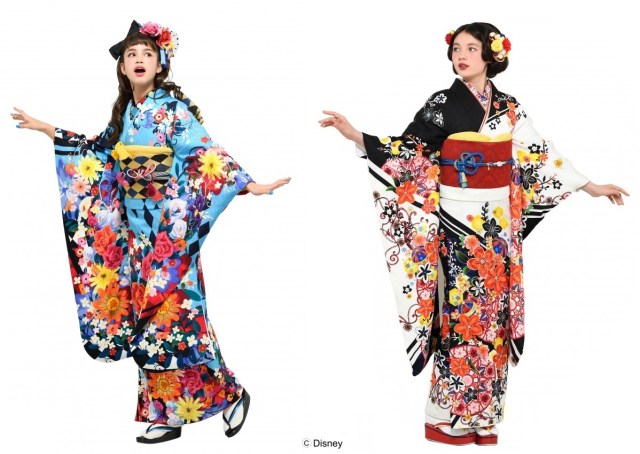
Moving on to numbers eight and seven, Maleficent’s kimono crackles with her green-lit magic. But while the Sleeping Beauty sorceress needs little introduction, even fairly passionate Disney fans may not immediately recognize the name of Faline, a.k.a. Bambi’s girlfriend, whose kimono is suitably verdant for a forest-set story.

Coming in at number six, The Aristocats’ Marie has a large and devoted fanbase in Japan, where her pink-and-white color scheme provides plenty of cuteness. Color is also a key factor in the number-five kimono, based on Beauty and the Beast’s Belle, which has a stripe of saffron reminiscent of her ball gown, a rose on the obi (sash), and baroque chandeliers.

Specific theming is a little harder to suss out on the kimono for number-four Alice (of in Wonderland fame) and number-three Snow White, though Alice’s does seem to have a bit of a playing card thing going on, and Snow White’s crimson obi is possibly a reference to the poisoned apple she munches on.

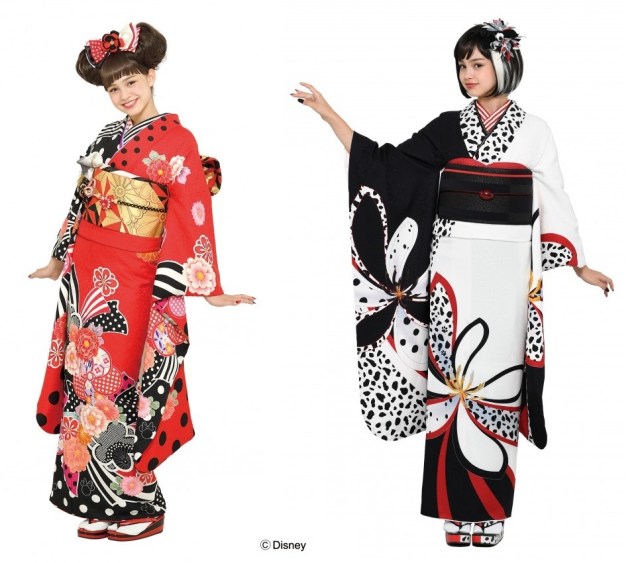
Finishing in second place is Minnie, whose kimono’s trim brings to mind the dots on her dress. And finally, at the top of the list is a Disney villain who’s always had an eye for eye-catching fashion, it’s none other than 101 Dalmatians’ Cruella de Vil. While Cruella herself may be evil right down to her name, it’s hard to deny that that’s a very striking kimono, with the sharply contrasting colors making it at once both sophisticated and playful, with extra flair from the Dalmatian-style dots (the kimono may have also gotten a boost from a recent celebrity cosplay project).

The entire lineup is available for portrait sessions at Studio Alice locations across Japan. And if all this has you wondering what other themes you could design a kimono collection around, you can check out this array of kimono for every country that competed at the Tokyo Olympics.

Related: Studio Alice Disney kimono website

poop cake


Are you even surprised we ended up trying these?

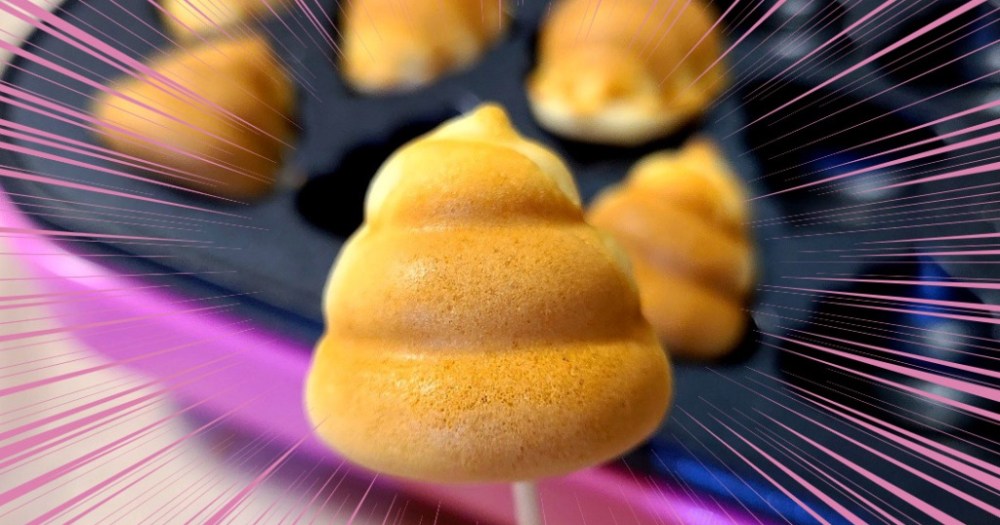
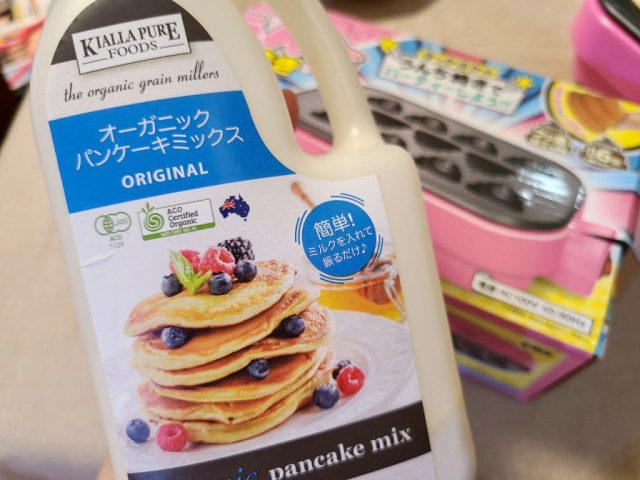
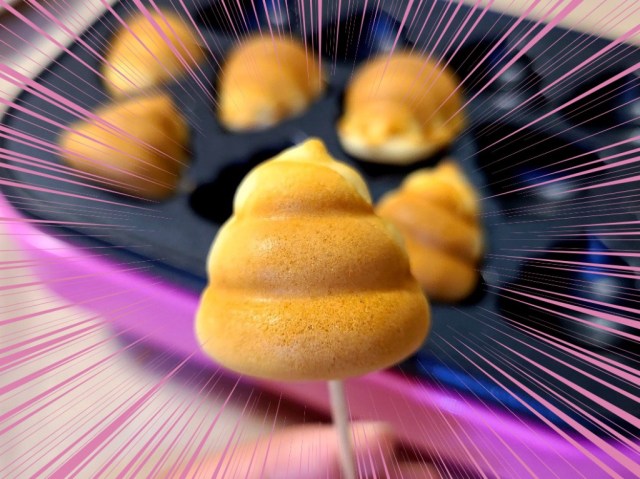
When we heard about the Wasshoi Unchiyaki that can make perfectly poop-shaped cakes, we knew we had to try it. So we recruited our Japanese-language reporter Maro to pick one up at the store for 1,430 yen (US$13.03) and test it out for us. Armed with a bottle of Costco pancake mix, Maro got to work.

▼ Okay, there’s not much work in making these with the premade mix.

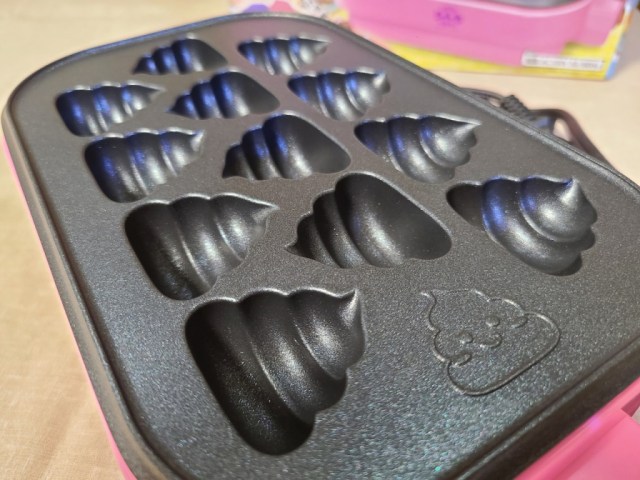
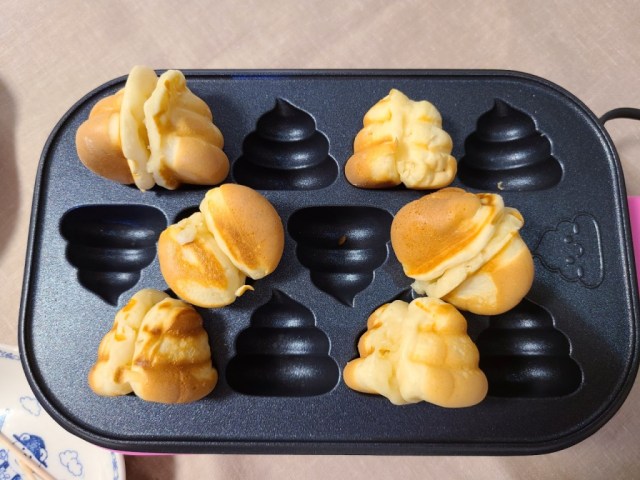
The plate had space to make 12 half-spiral poos, or six whole ones if you stick them together. Maro fired it up and let it warm up for three minutes as per the instructions.

▼ And the pan is even embossed with a cute smiling poop!

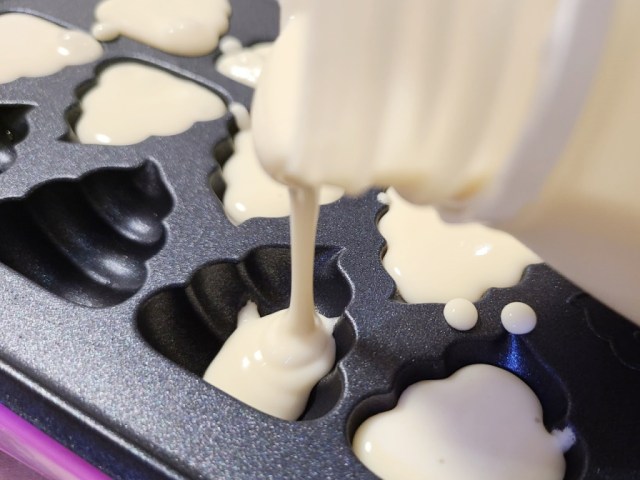
▼ After greasing up the poo molds, she carefully poured the pancake mix into each half-poo.

The instructions said to only fill the pancake molds seven-tenths of the way full, but Maro found that a bit difficult to guesstimate. She couldn’t afford to slow down, either, since the previous turds were already cooking!

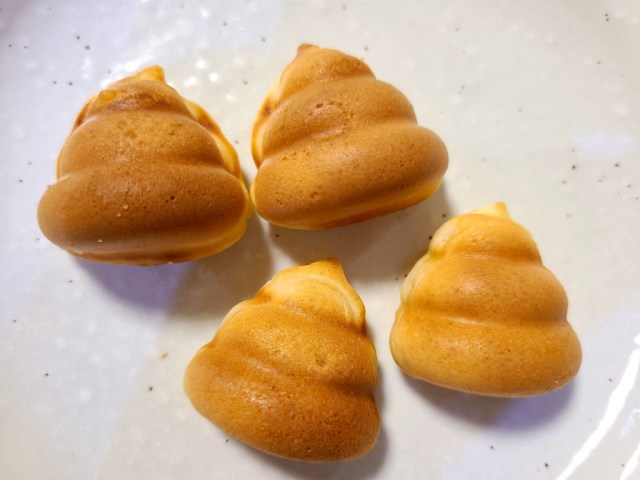
After three minutes of cooking, she removed the half-poos and joined them together with their neighbors to form the whole shape.

▼ They looked a bit awkward, but hey, does the first pancake ever turn out well?

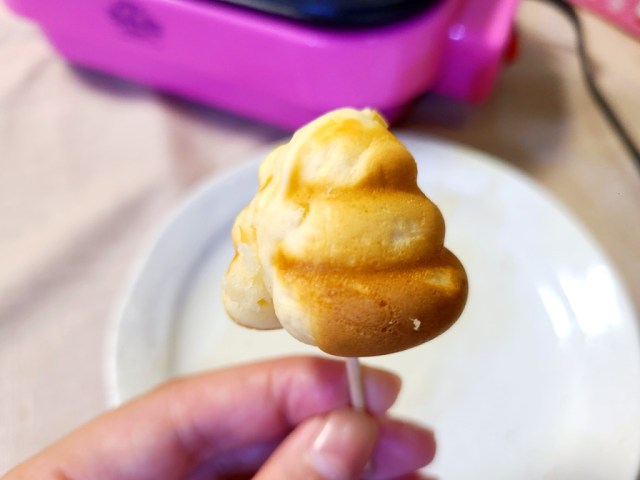
▼ Even after putting a toothpick in to make a cake pop, Maro still wasn’t satisfied with the uneven shapes.

For the sake of science, and SoraNews24, Maro decided to give it another try. Her theory was that she added too much pancake mix the first time, so she poured in the pancake mix even more carefully this time so that it would create the perfect shape.

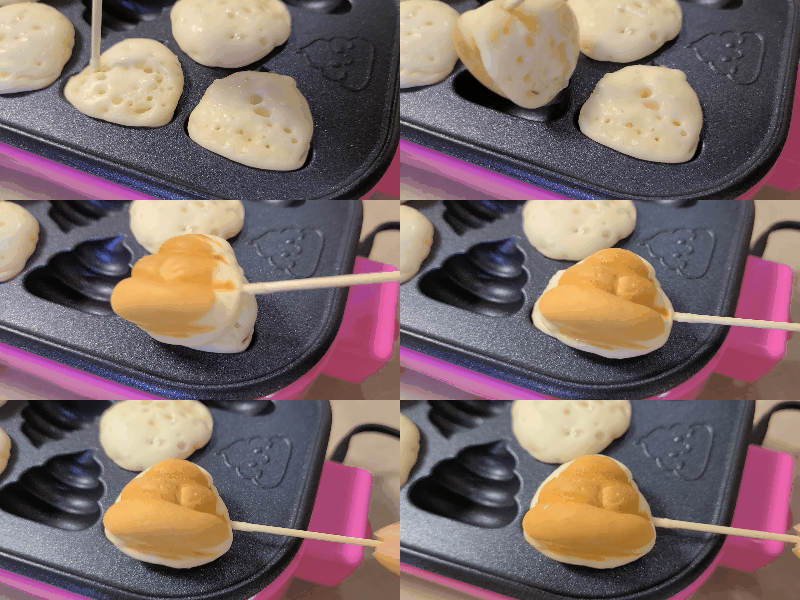
▼ She cooked each of the smaller half-turds for five minutes, then turned them over.

“Hey, these look better!” she thought. But upon closer inspection…

▼ …she noticed that the tip of the poop was missing.

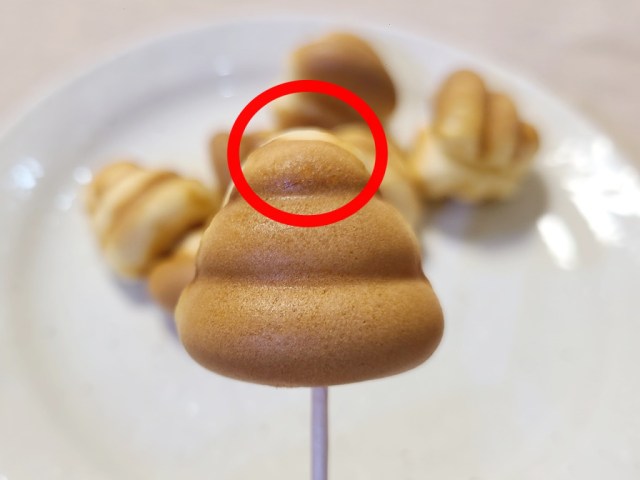
According to Maro, this is the most important part of making a perfectly cute poo shape. You know, the same shape as soft-serve ice cream. Determined to get it right, she decided that the third time’s the charm, no matter how full her stomach was at this point.

▼ Thankfully, after pouring very carefully, she finally perfected the shape!

spicy ramen using Sprite soda


What could “Sprite Noodles” taste like?

TikTok is the social media platform of the hour, and for good reason. With bite-size videos full of funny and engaging content, what’s not to like? We especially love the creative food ideas people come up with, like the McDonald’s apple pie hack and the recipe for making pillowy cloud bread, because they let people share ways to make already tasty food even more delicious!

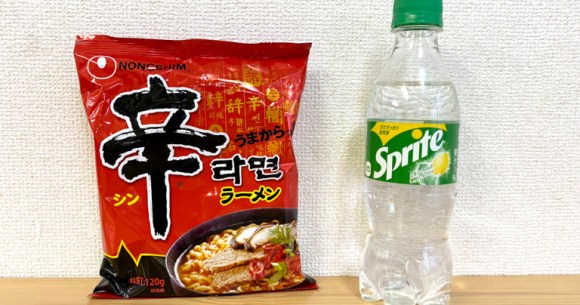
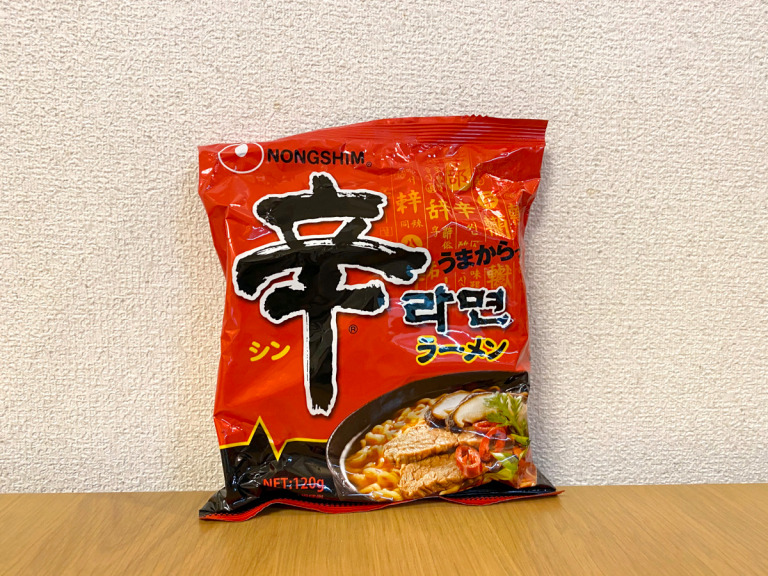
The latest food hack to go viral on TikTok in China is a noodle recipe using a popular, spicy Korean-style instant ramen known as Shin Ramen. It caught the eye of our Japanese language reporter P.K. Sanjun, who, as you know, considers himself a foodie. They call it 雪碧拌面, but for P.K., who doesn’t speak Chinese, it was hard to judge what kind of dish it was based on the meaning of the characters alone–a combination of “snow”, “blue”, and “lo mein”–, so he did a quick Google search to get an idea of what to expect.

Unfortunately, all the results came back in Chinese, so that didn’t really help. P.K. had eaten dishes with Chinese egg noodles before, so he had an idea of what to expect from the “lo mein” part of the name, perhaps. But where do the “snow” and “blue” come in? P.K. asked fellow reporter Takashi Harada, who knows a little bit of Chinese, and it turns out that 雪碧 is simply the Chinese name for Sprite.

So 雪碧拌面 is just “Sprite Noodles”, nothing fancy about the name. But does that mean it’s a noodle dish made with…Sprite? And…and spicy ramen??

Learning this, P.K. just had to try making it, because what could that possibly taste like?

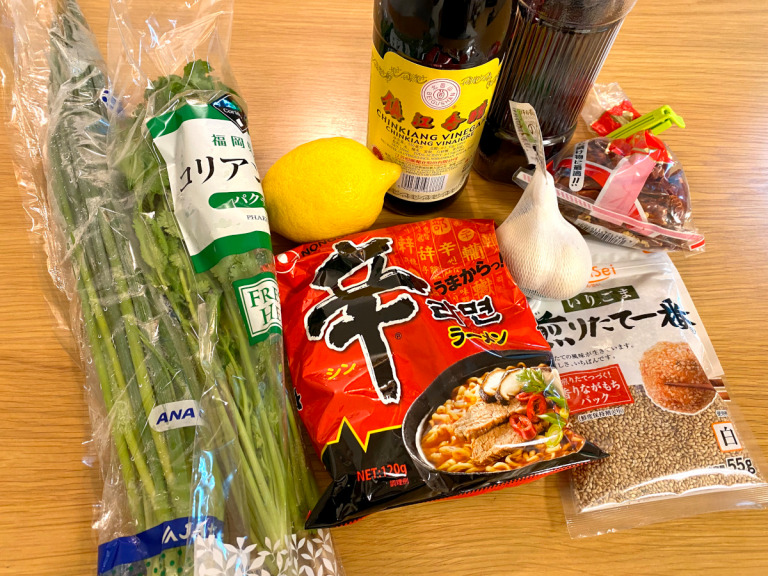
Here’s the recipe for Sprite Noodles:

Ingredients:

● 1 package of Shin Ramen
● 1 clove of garlic
● 1 chili pepper
● 1 tablespoon of sesame seeds
● Green onion, to taste
● Cilantro, to taste
● 1/2 cucumber
● 2 slices of lemon
● Zhenjiang vinegar, to taste
● Soy sauce, to taste
● Cooking oil, to taste
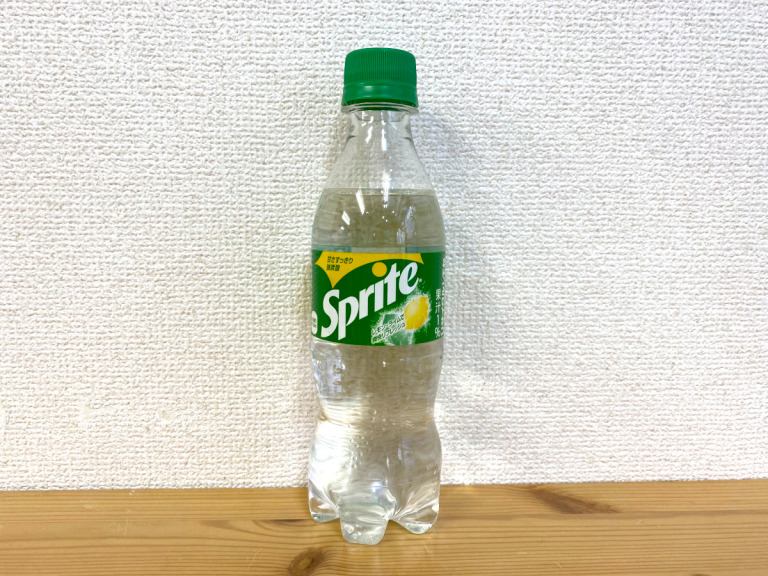
● 200 milliliters (6.8 ounces) of Sprite

Directions

1. Slice the cucumber into strips, then finely chop the onions, cilantro, garlic, and chili pepper.

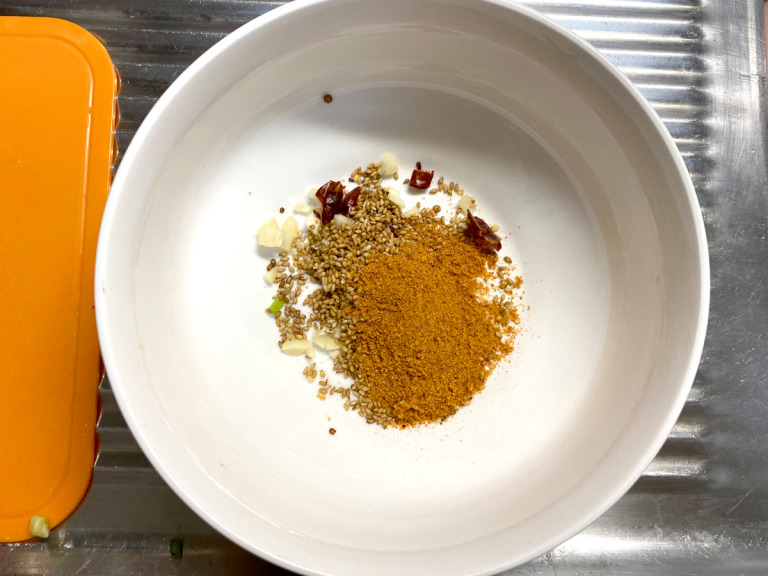
2. Add the garlic, chili pepper, sesame seeds, and half the powder soup into a bowl.

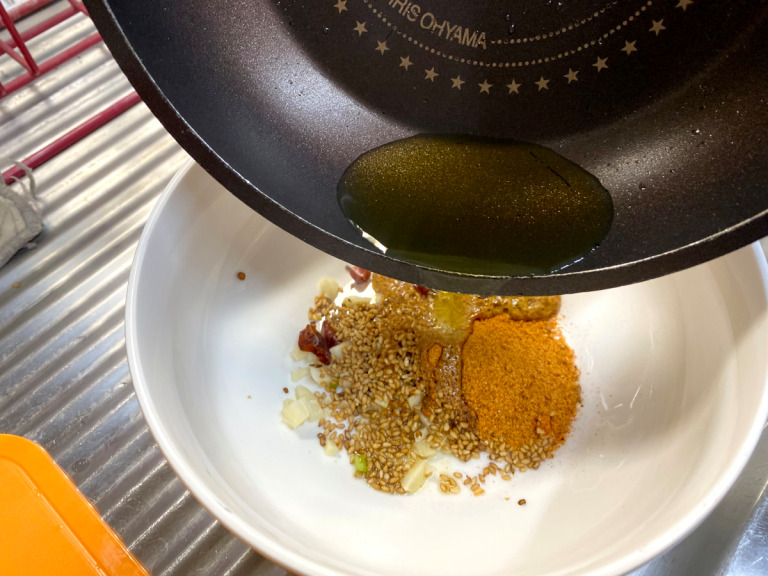
3. Warm up some oil in a pan, then pour it over the spices in the bowl.

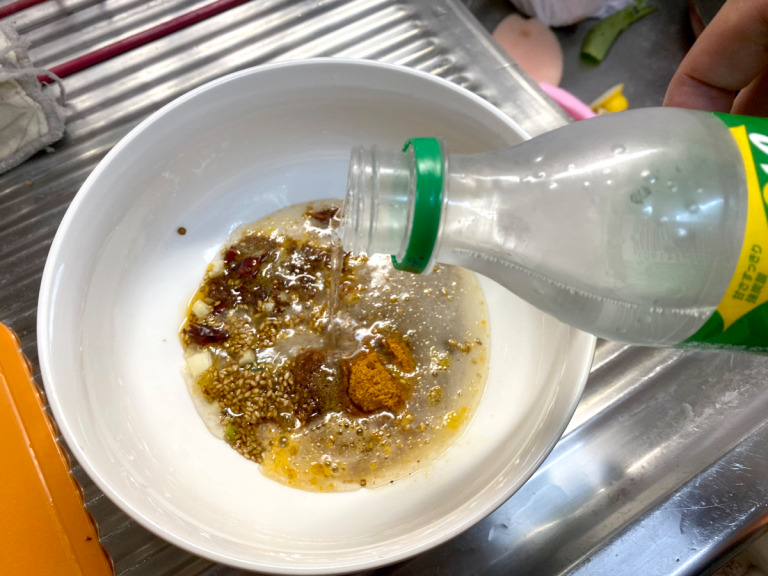
4. Add the Sprite.

5. Add your desired amount of Zhenjiang vinegar and soy sauce and mix well.

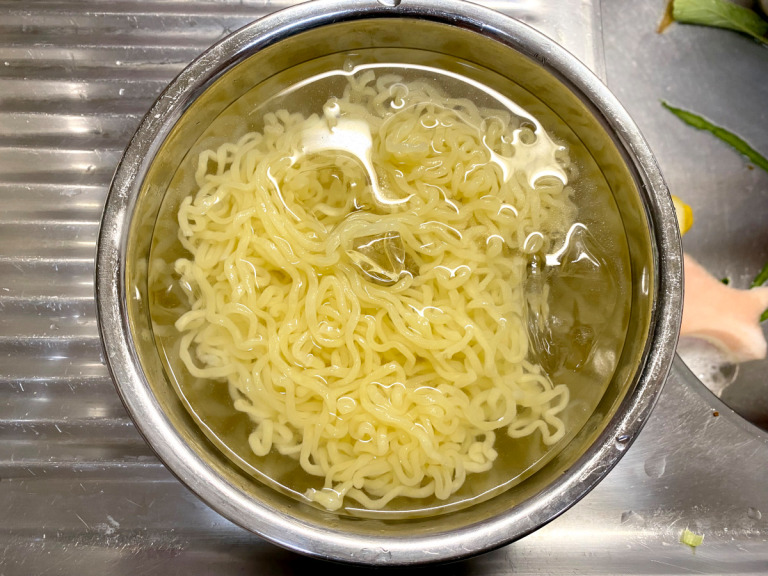
6. Boil the noodles, then cool in ice water.

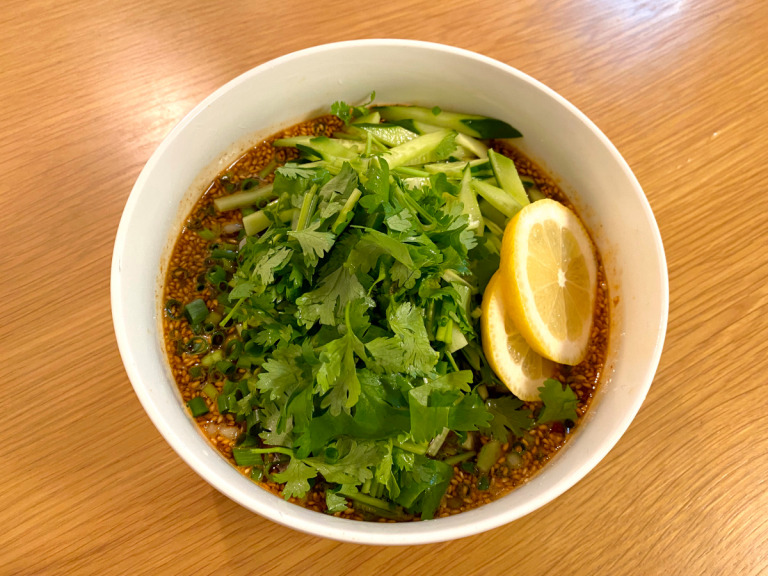
7. Add the noodles to the bowl, then top with cucumbers, onions, cilantro, and lemon slices.

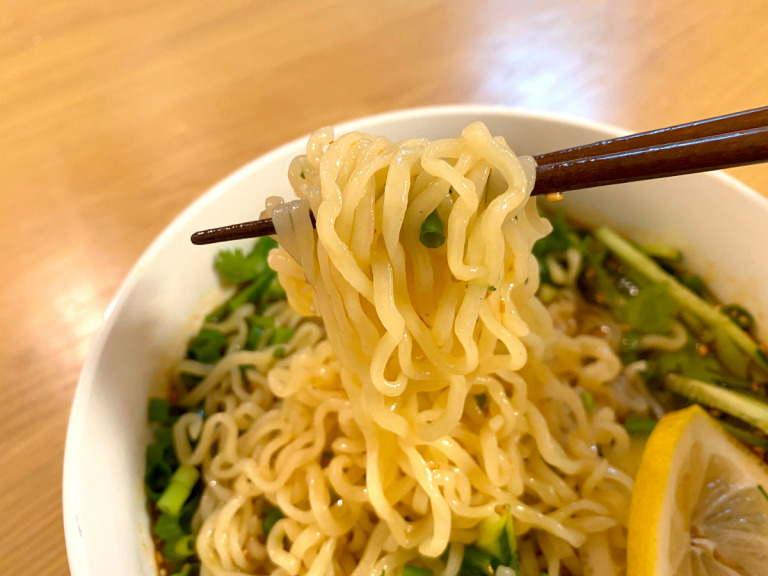
And that’s it! Though P.K. found that warming up oil in a pan before adding it to the spices was an interesting technique, he was, of course, most curious about what the Sprite would add to the flavor. Wouldn’t it be too sweet? Wouldn’t the carbonation be weird? Slightly nervous, P.K. scooped up some noodles and hesitantly slurped them up…

It was actually really good!

It wasn’t sweet at all, and there was somehow no carbonation at all, either. It just tasted like a normal broth, albeit a really tasty one. It actually still had a pretty spicy aftertaste, too. P.K. would never have guessed that it had Sprite in it at all if he hadn’t put it in himself.

In fact, P.K. thought that this cold noodle dish was pretty close to cold noodles he’d eaten in Shangai. Though he’d used Korean-style instant ramen to make it, the Zhenjiang vinegar really gave the dish a Chinese flair that was really quite tasty. P.K. had to admit it lacked a certain depth of flavor and umami, but for a TikTok hack, it was actually pretty good.

Cold noodles dishes are some of the best things to eat to stay cool in summer–just ask our other reporter Go Hatori, who’s devised an expert way to beat the heat with cold noodles. So why not give “Sprite Noodles” a try yourself while it’s still hot outside? The mixture of spicy flavors and cold temperatures is sure to make you forget the heat!

Japanese sake pouches designed for the outdoors


These cute pouches will fit right alongside your campfire cookware!

Picture this: your tent is set up, you and your friends are sat under the star-studded sky with blankets and snacks. Basking in the campfire and the rosy glow of good company, you can’t help but wish you had a special beverage to toast this get-together as it deserves. Sure, you could clink some beer cans together…but this is a fancy occasion, and fancy occasions call for alcohol of a higher grade. But who carts a huge glass wine bottle along with them on a camping trip? Not you, nor any other sensible camper.

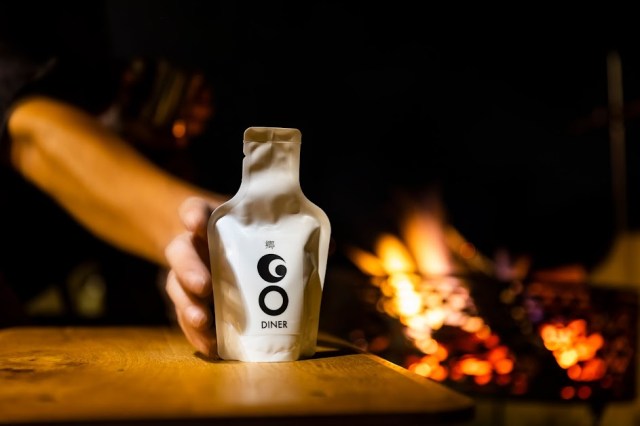
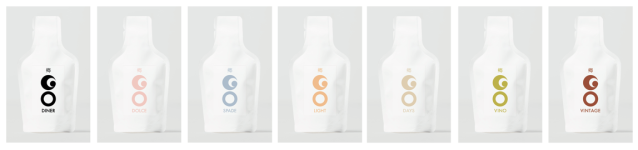
Along comes Tsunan Sake Brewery with Go Pocket, a robust pouch that contains one of seven different varieties of their brewery’s sake.

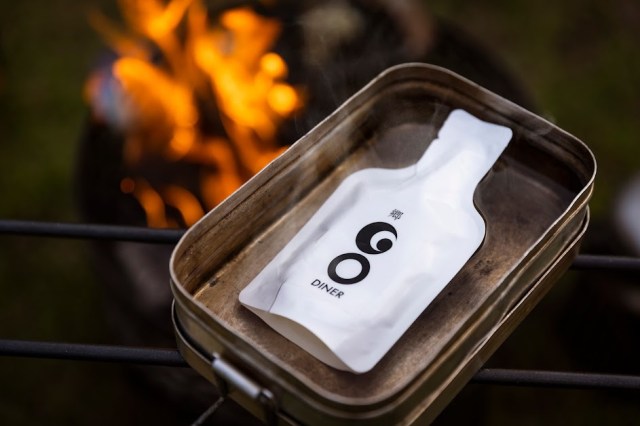
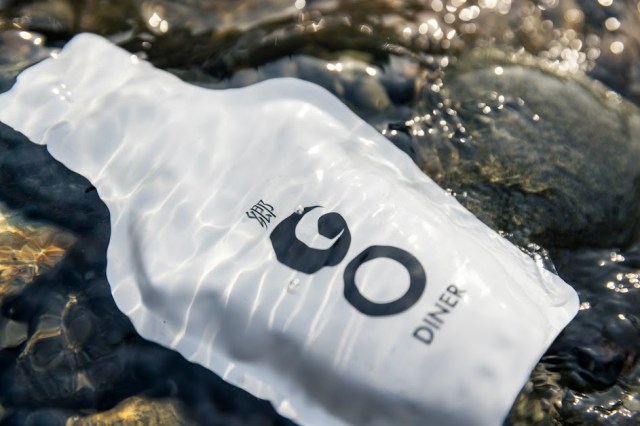
The pouch conducts both heat and cold well without compromising the alcohol within, so you can safely dip your Go Pocket pouch into a cool running spring to enjoy crisp, cold sake or just as easily heat it up over a campfire to serve it piping hot.

▼ Enjoy your sake hot…

▼ …or refreshingly cold.


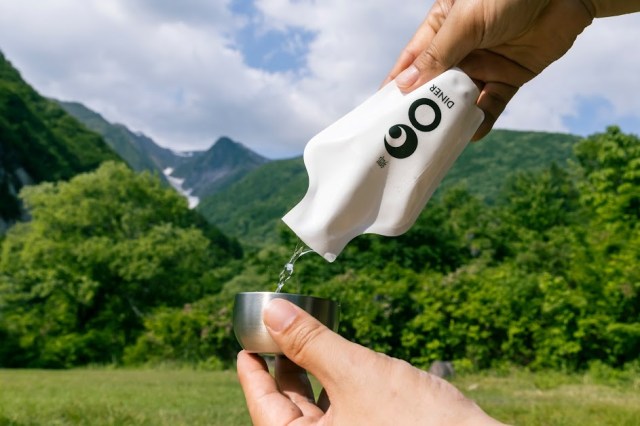
The pouch itself is just a vessel, mind you— so don’t forget to bring cups or containers to dispense your rice wine into. The good news is that even with the cups and containers packed alongside the pouch, you’re guaranteed to have more space than if you had packed a bulky sake bottle. There’s also much less risk that the container will crack or spill while in transit.

▼ Just tip and pour and you can toast on the go!

With such easy transportability and a compact shape, you might want to buy a few different kinds to take on a trip. The full list of seven varieties are as follows:

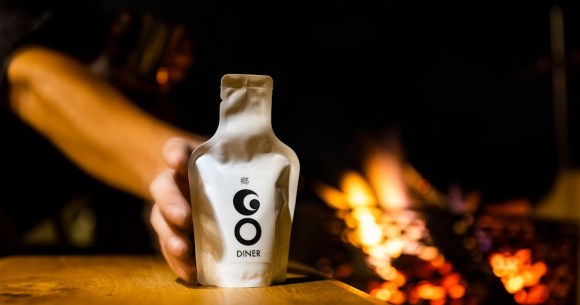
  • Go Pocket Diner (Junmai Daiginjo, the highest classification of sake) – has a crisp, elegant flavor
  • Go Pocket Dolce (Junmai Ginjo, the second-highest classification) – has a candied, sweet flavor
  • Go Pocket Vino (Junmaishu, a kind of sake that uses only rice, rice mold and water) – has a fruity acidity like white wine
  • Go Pocket Days (regular sake) – a typical sake that can be drunk casually
  • Go Pocket Light (Junmai Ginjo) – 8 percent alcohol content, smooth and light
  • Go Pocket Spade (Junmaishu) – has a pure, dry flavor
  • Go Pocket Vintage (Junmai Ginjo) – aged for 9 years, has a rich and dry flavor

The pouches have classy, minimalistic designs that will fit into any campfire atmosphere, and each one is color-coded to match its contents. The pouches contains about 100 milliliters (3.38 fluid ounces) of sake and cost between 330 yen (US$3.00) to 660 yen (US$6).

The pouches are available to purchase online through Tsunan’s website as well as in-person at the Muji-owned Tsunan campground in Niigata Prefecture. You can also purchase a piece of aluminum cookware specifically intended to heat your sake over the campfire for 3,300 yen (US$30).

Summer is a great time to get outside and celebrate, and open-air camping is currently one of the safest ways to see other people in the current pandemic. So why not pack yourself some portable sake, stoke up a rainbow fire and let those good times roll!

Source, images: PR Times

okonomiyaki–Japan’s savory

Demon Slayer anime restaurant coming to Universal Studios with Hashira meals, life-size figures


Wisteria Restaurant to pop up at Universal Studios Japan alongside Demon Slayer AR coaster.

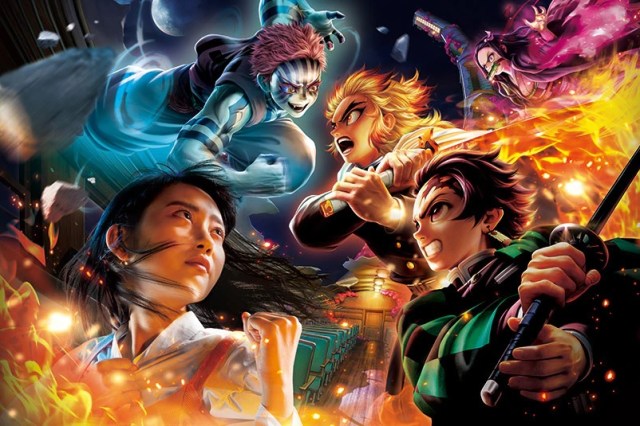
No other theme park in Japan is as enthusiastic about team-ups with anime and video game franchises as Universal Studios Japan is, so it was only a matter of time before the Osaka park joined hands with Demon Slayer: Kimetsu no Yaiba, the current king of Japanese animation fandom frenzy. And of course, an entertainment collaboration in Japan means themed food, and in the case of USJ and Demon Slayer, an entire on-site pop-up restaurant.

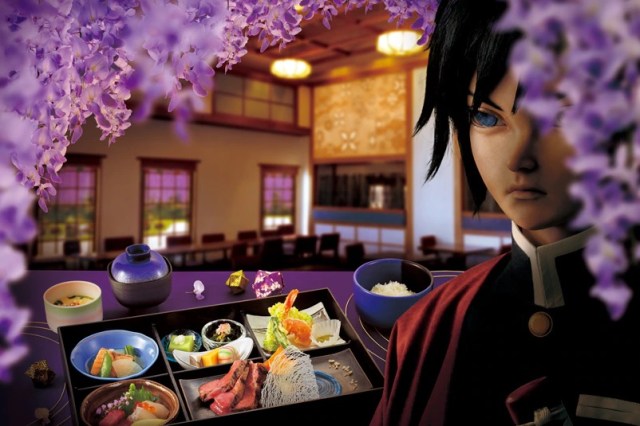
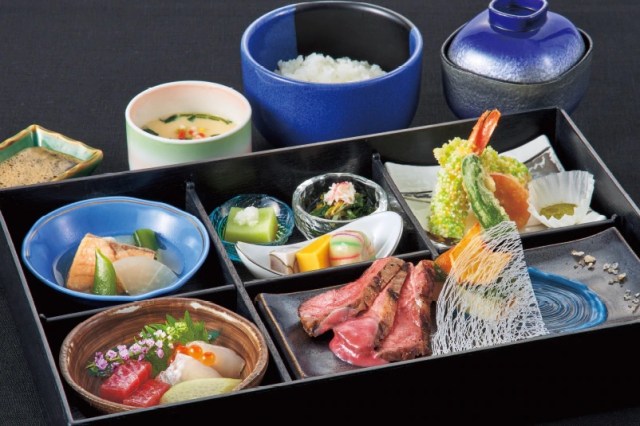
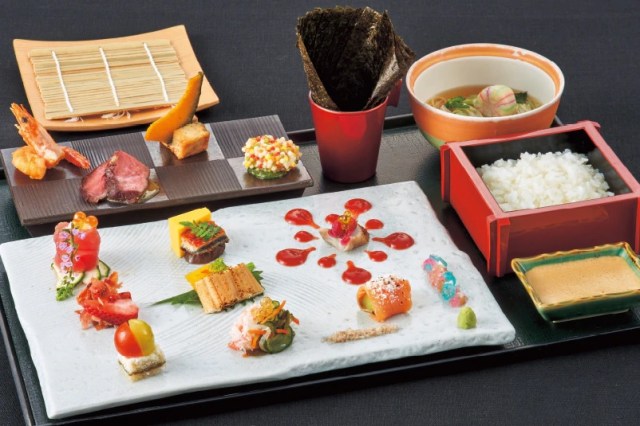
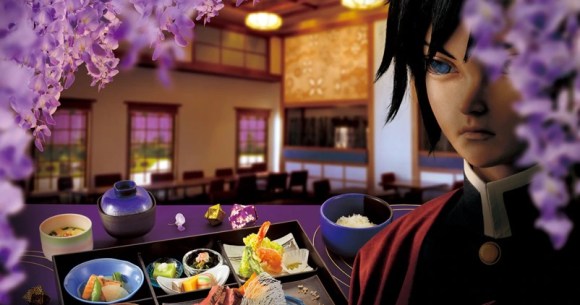
Opening next month inside the park is the Fuji no Hana Shokujidokoro, or Wisteria Restaurant. Decked out with an ethereal motif inspired by the anime’s mystical flowers and featuring a Taisho-era interior aesthetic, the eatery will offer a menu with set meals, drinks, and desserts paying homage to the Demon Slayer Corps’ Hashira members. For example, the set for Water Breathing master Giyu includes his beloved simmered salmon with daikon radish, along with other aquatic delicacies like sashimi and shrimp tempura.

As a matter of fact, the Wisteria Restaurant (which will be hosted at what’s normally the park’s Saido restaurant) looks to be especially appealing to Ginyu fans, as part of the décor is a life-size figure/statue of the Demon Slayer that diners can take a photo with. There’s also going to be a statue of fellow Hashira Shinobu, and while no photos of it have been shown off yet, if it’s anywhere near the quality of the Ginyu one, it should be a sight to see too.

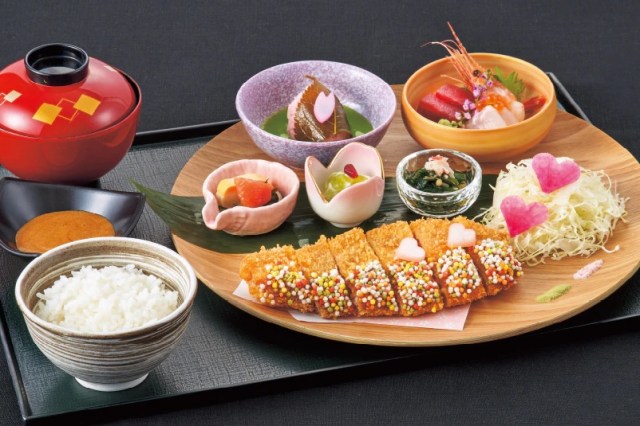
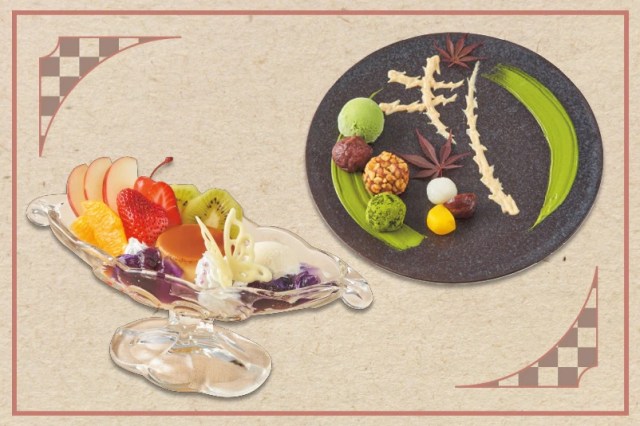
Each and every Hashira gets a special food or drink item, with colorful creations that mix modern and classical Japanese tastes.

▼ Sound Hashira Tengen’s Modern Sushi

▼ Love Hashira Mitsuri’s Pork Cutlet Set, with hearts and sakura mochi, her favorite Japanese sweet, for dessert

▼ Left: Insect Hashira Shinobu’s ice cream with butterfly jellies
Right: Wind Hashira Sanemi’s ohagi rice dumplings, his absolute favorite food, accompanied by candied chestnut, shiratama mochi, and matcha ice cream

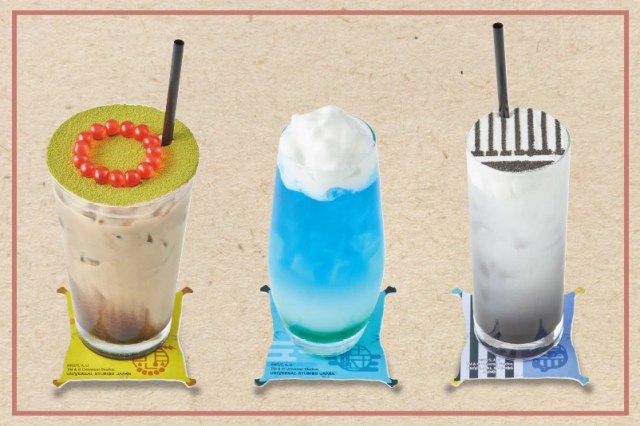
▼ Left to right: Serpent Hashira Obanai’s Blackcurrant Yogurt Drink, Mist Hashira Muichiro’s Sky Blue Soda, and Stone Hashira Gyomei’s Milk Hojicha tea

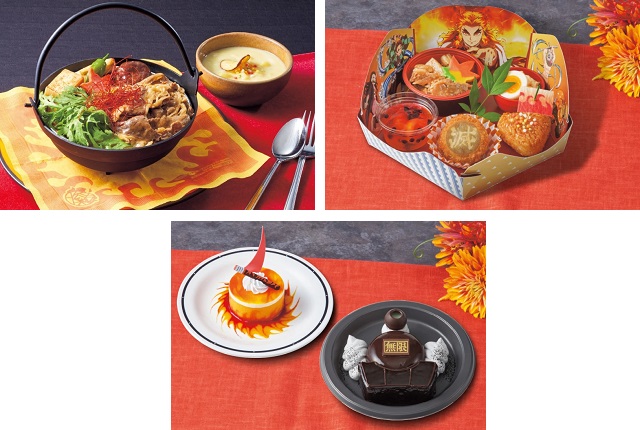
Meanwhile, if you’re wondering about Flame Hashira Kyojuro, poster boy for the record-breaking Mugen Train movie, he gets no fewer than three menu items saluting him, but they’ll all be over at Universal Studios Japan’s separate Studio Stars Restaurant.

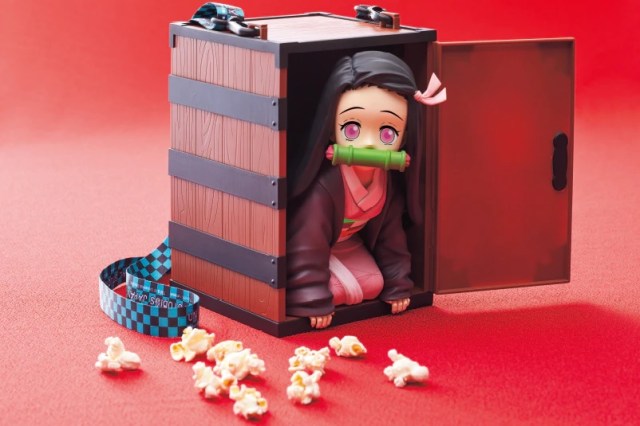
And if you prefer your edible Demon Slayer fun in an on-the-go format, USJ will also be selling special Nezuko popcorn buckets, with the snack inside seasoned with a honey plum flavor.

As for the non-food parts of the project, USJ’s theme-rotating XR Ride AR coaster will be getting a Demon Slayer scenario, and the anime’s voice cast will also be providing special narration for the Hollywood Dream The Ride roller coaster.

The USJ/Demon Slayer tie-up kicks off on September 17 and runs until February 13.

Source: Universal Studios Japan via IT Media
Top image: Universal Studios Japan
Insert images: Universal Studios Japan (123)